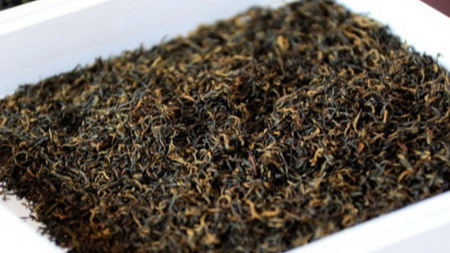
Qimen Red Tea
Introduction
Qimen Red Tea, also known internationally as Keemun Red Tea, is a revered variety of Chinese black tea that originates from Qimen county in Anhui province, China. This tea is celebrated for its distinctive aroma, characterized by fragrant notes reminiscent of orchids or honey, and its appealing amber-red coloration. Known for its smooth and mellow taste, Qimen Red Tea often contains subtle hints of fruit, floral notes, and occasionally a delicate smokiness. As a staple in tea culture, it not only stands alone as a cherished beverage but also serves as a crucial component in various tea blends, notably English Breakfast Tea. Its global acclaim is a testament to its versatile flavor profile and the rich traditions from which it hails.
History
The history of Qimen Red Tea is deeply intertwined with the tea culture of China. It emerged in the late 19th century during the Qing Dynasty (1644-1911), marking Anhui province as a significant player in the global tea industry. The unique processing methodologies that define Qimen Red Tea were developed in this period, harnessing the specific climatic and soil conditions of Qimen county to produce a tea that would quickly rise to international prominence. Its introduction to the Western tea markets was met with considerable enthusiasm, helping to establish its reputation as one of the finest black teas available. The history of Qimen Red Tea is not only a tale of agricultural achievement but also of cultural exchange, as it has become a symbol of excellence in the tea world.
Production Process
The production process of Qimen Red Tea involves several meticulous steps, each contributing to the tea's unique characteristics. These steps include picking, withering, rolling, fermentation, and drying, each playing a crucial role in the final quality and flavor profile of the tea.
Picking
The picking of Qimen Red Tea is a delicate process, requiring skilled labor to ensure that only the finest leaves are selected. The leaves are typically plucked during specific times of the year when the climatic conditions are ideal, ensuring the best flavor and aroma. This stage is critical, as the quality of the leaves greatly influences the overall character of the finished tea.
Withering
Once picked, the tea leaves undergo withering, a process that reduces their moisture content and makes them pliable for further processing. This step is essential in developing the initial stages of flavor and helps to prepare the leaves for rolling, ensuring that they retain their aromatic compounds and structure.
Rolling
Rolling is a pivotal step in the production of Qimen Red Tea, as it breaks down the cell walls of the leaves, allowing for better oxidation and flavor development. This mechanical process shapes the leaves and enhances their ability to release flavor when brewed. The rolling technique used is instrumental in defining the tea's signature characteristics.
Fermentation
Fermentation, or oxidation, is perhaps the most defining step in the creation of Qimen Red Tea. During this stage, the leaves undergo a controlled chemical reaction that deepens their color and develops their complex flavor profile. The level of oxidation is carefully monitored to achieve the desired balance of taste and aroma, resulting in the tea's characteristic amber-red hue.
Drying
The final step in the production process is drying, which stabilizes the tea leaves, locking in the flavors developed during fermentation. This step ensures that the tea can be stored and transported without losing its quality. Proper drying techniques are essential to preserve the distinctive taste and aroma of Qimen Red Tea.
Characteristics
Qimen Red Tea is renowned for its exquisite characteristics that distinguish it from other black teas. Its amber-red color is visually striking, and its aroma is a complex blend of floral, fruity, and sometimes smoky notes. The taste is smooth and mellow, with a lingering finish that captures the essence of its regional terroir. The balance of flavors makes it a versatile tea, suitable for both connoisseurs and casual drinkers. The ability of Qimen Red Tea to pair harmoniously with additional ingredients, such as dried roses, further exemplifies its adaptability and appeal.
Cultural Significance
Qimen Red Tea holds significant cultural importance, both within China and globally. In its home country, it is a symbol of Anhui's tea heritage and a testament to the region's dedication to quality tea production. The tea's role in Chinese social rituals and its status as an esteemed gift contribute to its cultural value. Internationally, Qimen Red Tea has become a beloved component of tea culture, influencing blends and being celebrated in various tea ceremonies. Its cultural significance is a reflection of its historical roots and enduring popularity.








